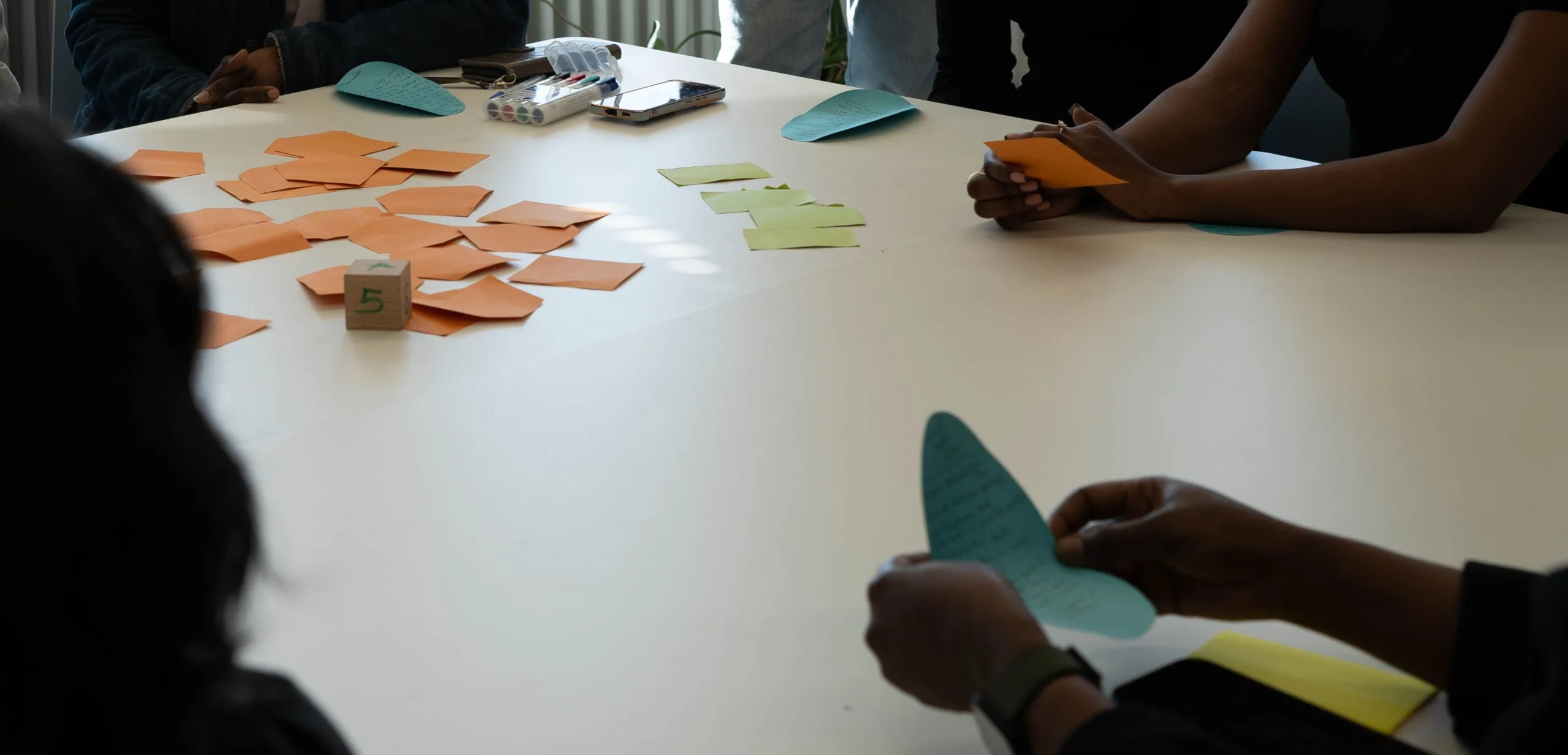
Great design does not happen by accident, and it certainly does not start in design software. It starts with conversation, research, and strategy. At Blendin Creatives, the foundational step of any successful project is the Brand Discovery Session.
But what exactly happens during this phase?
Defining the “Why”
Before we talk about color palettes or web layouts, we need to understand the fundamental DNA of your business. Why does your company exist beyond making a profit? Who are your true competitors, and what makes your approach entirely different? We strip away the marketing jargon to find the authentic narrative.
Understanding the Audience
You are not selling to everyone. A discovery session helps pinpoint exactly who your target audience is, what their pain points are, and how your brand can solve them. We profile your ideal customer so that every subsequent design decision speaks directly to them.
Creating the Roadmap
The outcome of a discovery phase is not a design mockup; it is a strategic roadmap. This document serves as the blueprint for your visual identity, your web presence, and your overall market positioning.
By investing time in strategy first, we ensure that the final design is not just aesthetically pleasing, but deeply aligned with your actual business goals.
How to Prepare for a Brand Discovery Session
A brand discovery session works best when you walk in with real material, not just opinions. Bring your existing brand assets, whatever you have, along with a few competitor examples you admire and a few you don’t. The gap between those two lists says a lot about where your brand actually stands today.
Be ready to talk about the business side, not just the visual side. Who buys from you, why they choose you over the alternative, and where you want the business to be in three years all shape the outcome of the session more than any mood board does.
What Happens Immediately After
Once a brand discovery session wraps up, the output usually isn’t a logo, it’s a strategy document: positioning, tone of voice, visual direction, and the reasoning behind each decision. That document becomes the reference point for every design decision that follows, so the agency and the client are working from the same definition of the brand instead of relying on personal taste calls later in the project.
Signs You’re Ready for a Brand Discovery Session
- Your business has grown or changed direction since your last branding was created.
- Different people on your team describe the brand differently.
- You’re about to launch something (a product, a location, a rebrand) and don’t want to guess.
- Your current visual identity was built quickly and never had a strategy behind it.
If that sounds familiar, a brand discovery session is usually the right starting point, before a single design file gets opened. It’s the same reasoning behind why brand identity work should start with strategy rather than visuals. For a broader look at how structured discovery work fits into the design process, AIGA is a useful outside reference.
One more thing worth knowing: a brand discovery session isn’t a one-off luxury reserved for big rebrands. Smaller businesses use the same process before a website refresh, a new product line, or even just deciding what to post on social media, because every one of those decisions gets easier once the strategy behind the brand is actually written down somewhere.
Ready to find your strategic edge?
Book a 1-on-1 brand consulting session with our leadership team
Let's Talk